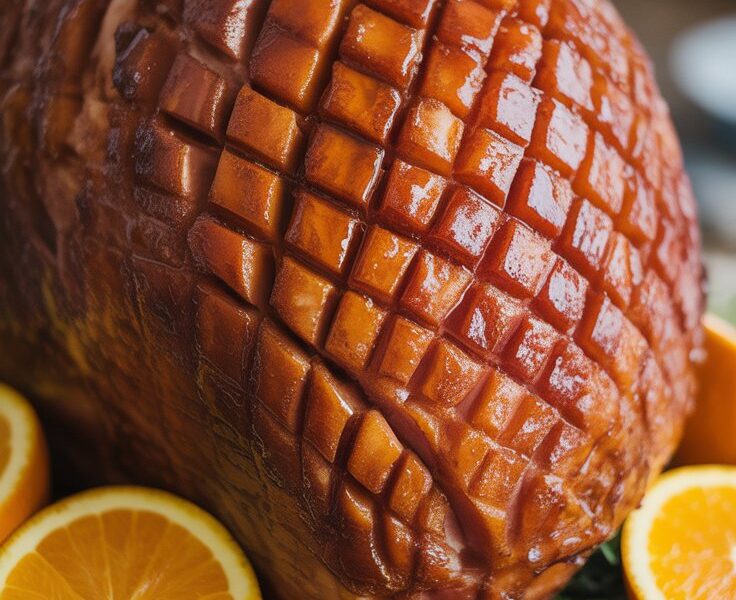
There are certain dishes that instantly signal celebration, warmth, and togetherness—and a Brown Sugar Glazed Baked Ham is unmistakably one of them. Whether it’s Christmas, Easter, Thanksgiving, a family reunion, or a cozy winter gathering, this golden, glossy, caramel-coated ham is a culinary centerpiece that effortlessly draws people to the table.
While ham is often considered a classic holiday dish, its appeal stretches far beyond festive occasions. Its simplicity, versatility, and ability to feed a crowd make it suitable for any special dinner or weekend feast. The beautiful contrast between the savory, smoky ham and the sweet, sticky glaze creates a harmony of flavors that feels elegant yet approachable.
This comprehensive guide takes you through every aspect of preparing the perfect Brown Sugar Glazed Baked Ham. You will learn the science behind glazing, how to achieve the ideal caramelization, how to keep your ham juicy, and how to customize the dish with creative variations. By the end of this article, you will be fully equipped to cook an unforgettable centerpiece dish that outshines anything from a restaurant or store.
H2: Why This Brown Sugar Glazed Baked Ham Stands Out
Thousands of glazed ham recipes exist online, but not all of them deliver consistent, memorable results. This version is designed to be fail-proof, richly flavored, and visually stunning. Whether you’re a beginner or a seasoned cook, this recipe ensures success.
1. The Perfect Balance of Sweet and Savory
The glaze incorporates brown sugar for warmth, honey for shine, and apricot preserves for fruity brightness. This creates layers of flavor rather than a flat sugary coating.
2. A Caramelized Finish That Looks Professional
By applying the glaze in stages, the sugars have time to set, melt, and eventually caramelize into a deep, glossy crust.
3. Spiral-Cut Ham Means Effortless Serving
A fully cooked, bone-in spiral ham heats evenly and slices beautifully—ideal for feeding a large group with minimal fuss.
4. Make-Ahead Friendly
The glaze can be prepared days in advance, making the day-of cooking easier and stress-free.
5. A Crowd-Pleasing Classic
Few foods appeal to both kids and adults like a sweet, juicy holiday ham. It’s universal, comforting, and always impressive.
H2: Understanding the Ingredients (A Deeper Look)
To make exceptional glazed ham, it’s essential to understand how each ingredient contributes to flavor, texture, and appearance.
Spiral-Cut Ham (Fully Cooked, Bone-In)
A bone-in ham retains more moisture and flavor compared to boneless. Spiral-cut versions offer evenly sliced pieces without needing carving skills. Choosing a high-quality ham ensures a tender result even before glazing.
Brown Sugar
Brown sugar is the backbone of the glaze, providing:
- Warm caramel notes
- Moisture
- A rich golden color when baked
Its molasses content makes it ideal for a sticky, glossy finish.
Honey
Honey enhances shine, deepens sweetness, and helps the glaze cling to each slice. When roasted, honey develops a subtle floral aroma that complements the smokiness of ham.
Apricot Preserves
Apricot brings:
- Slight tang
- Natural fruitiness
- A beautiful amber hue
It prevents the glaze from tasting too sugary or flat.
Dijon Mustard
A small amount of Dijon balances sweetness with gentle heat and acidity. It adds complexity without overpowering the glaze.
Butter
Butter enriches the glaze, improving texture and helping the sugars melt evenly. It also enhances browning and gives the ham a luxurious finish.
H2: Step-by-Step Method for the Perfect Brown Sugar Glazed Baked Ham
Step 1: Preparing the Ham
Start by letting the ham rest at room temperature for 45–60 minutes. This helps it heat evenly in the oven, preventing the outer surface from drying out while the interior remains cool.
Place the ham cut-side down in a deep roasting pan lined with aluminum foil. This traps moisture and ensures the glaze flows over the slices instead of settling at the bottom.
Step 2: Making the Glaze
Combine brown sugar, honey, apricot preserves, Dijon mustard, and butter in a saucepan. Simmer on low heat until the mixture becomes smooth, glossy, and pourable.
The glaze should be thick enough to cling to the ham, yet fluid enough to seep into the spiral slices.
Step 3: The First Glaze
Brush one-third of the warm glaze generously over the ham. Make sure it gets between the layers. Cover the ham tightly with foil and bake at 325°F (163°C) until heated through.
Step 4: The Second Glaze
Remove the foil, increase oven temperature to 425°F (218°C), and brush another layer of glaze. Bake uncovered for about 10 minutes to allow browning to start.
Step 5: The Final Glaze
Brush the remaining glaze over the ham and roast again until it becomes deeply caramelized. The internal temperature should reach 130–135°F (54–57°C).
Step 6: Resting and Serving
Let the ham rest for at least 15–20 minutes. Resting ensures juices redistribute throughout the meat. Serve with warm pan drippings strained and spooned over each slice.
H2: Professional Tips for a Perfect Glazed Ham
Bring the Ham to Room Temperature
Cold meat causes uneven cooking. Allowing it to warm slightly ensures even heat distribution.
Use a Probe Thermometer
A thermometer guarantees perfect results. Overcooking ham leads to dryness, so temperature control is crucial.
Glaze in Layers
Applying glaze in stages creates flavor depth and ensures a beautifully lacquered coating.
Line the Pan
Foil not only prevents sticking but also simplifies cleaning.
Let the Ham Rest
Resting avoids moisture loss, making each slice tender and juicy.
H2: What to Serve With Brown Sugar Glazed Baked Ham
A great centerpiece deserves equally delicious sides. Here are ideal pairings that complement the ham’s sweet-savory balance:
Classic Side Dishes
- Creamy mashed potatoes
- Scalloped potatoes
- Buttery dinner rolls
- Baked macaroni and cheese
Vegetable Pairings
- Roasted Brussels sprouts
- Green beans with almonds
- Honey-glazed carrots
- Garlic sautéed spinach
Fresh Options
- Citrus salad
- Apple walnut salad
- Coleslaw for crunch and brightness
Fruit-Based Complements
- Pineapple stuffing
- Baked apples
- Cranberry-orange compote
H2: Variations and Flavor Twists
A glazed ham is wonderfully customizable. Here are flavorful options to try:
Citrus Lovers
Replace apricot preserves with orange marmalade for a fresher, zesty glaze.
Maple Emphasis
Substitute honey with pure maple syrup for deeper, warmer sweetness.
Spiced Ham
Add cloves, star anise, cinnamon, or nutmeg for holiday warmth.
Bold Mustard Finish
Use whole-grain mustard for texture and a more pronounced tang.
Bourbon Glaze
Add a splash of bourbon to your glaze for richness and complexity.
H2: Storage, Freezing, and Using Leftovers
Refrigeration
Store leftover ham in an airtight container for 4–5 days.
Freezing
Freeze sliced ham for up to 2 months. Double-wrap for best protection.
Reheating
Warm gently at 300°F (149°C) in foil with a splash of water or glaze to prevent drying.
Leftover Ideas
Leftover ham is incredibly versatile:
- Ham and cheese omelets
- Ham-fried rice
- Ham and potato soup
- Pasta bakes
- Sandwiches, sliders, and wraps
- Savory breakfast casseroles
Each idea transforms leftovers into a fresh, satisfying meal.
H2: Frequently Asked Questions
Do I need to cover the ham while baking?
Yes. Covering keeps the ham moist until the final caramelization stage.
What internal temperature should the ham reach?
Aim for 130–135°F, rising to 140°F during resting.
Can I use a boneless ham?
Yes, but it may heat faster. Adjust baking time accordingly.
Is the glaze too sweet?
No—the Dijon mustard and apricot preserves balance the sweetness.
Can I use different fruit preserves?
Absolutely! Orange, peach, cherry, plum, or fig all work beautifully.
Can the glaze be prepared ahead of time?
Yes. Make it up to 2 days in advance and refrigerate.
Is a thermometer necessary?
Highly recommended for ensuring tender, juicy results.
H2: Expert Tips for Making the Dish Even More Impressive
Use Fresh Herbs as Garnish
Rosemary, thyme, or sage add aroma and color to the presentation.
Slice Strategically
Serve slices slightly fanned out on the platter for an elegant look.
Add Fruit Around the Ham
Pineapple rings, orange slices, or roasted pears elevate the visual appeal.
Offer Two Sauces
A mustard sauce and a fruity sauce give guests more choices.
H2: The Art of Caramelization (Why It Matters)
Caramelization is the secret to an unforgettable glazed ham. When sugars from honey, brown sugar, and preserves heat up, they transform into complex flavors:
- Deep nutty notes
- Toasted aromas
- Sticky texture
- A glossy amber sheen
Proper caramelization elevates your ham from simple to spectacular.
H2: Final Thoughts
A Brown Sugar Glazed Baked Ham is more than just a recipe—it’s a celebration on a platter. This dish brings families together, fills the home with warmth, and creates memories that linger long after the meal ends.
The balance of sweetness, savoriness, fruitiness, and gentle spice makes each bite rich and satisfying. The layered glazing technique ensures the perfect caramelized crust, while the tender spiral slices make serving effortless.
Whether you’re hosting a holiday feast or preparing a special weekend dinner, this ham delivers elegance without complication. With the guidance in this complete article—expert tips, variations, serving ideas, and professional techniques—your glazed ham will not only stand out but become a signature dish your guests will request year after year.